
Copper peptides for loose skin have become one of the more talked-about non-surgical options for people who dropped significant weight and are now staring at skin that refuses to snap back into place. The most researched of these compounds, GHK-Cu, has been studied for how it supports the fibroblasts and enzymes that build collagen and elastin, the two proteins responsible for skin's firmness. Below we walk through how copper peptides for loose skin work, what the research actually shows, and where they might fit into your own post-weight-loss plan.
Why Loose Skin Happens After Weight Loss
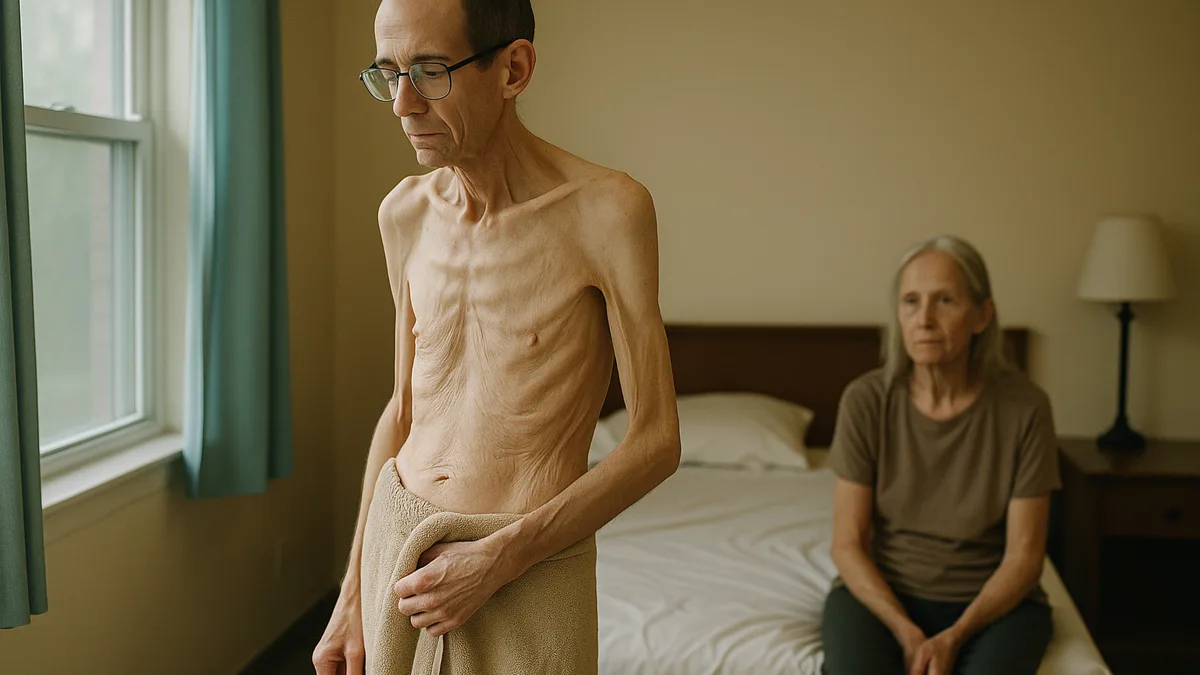
You put in the work, watched the scale move, and started feeling stronger and healthier than you had in years. Then the mirror shows a different story: skin that hangs where it used to fill out. This is one of the most common complaints we hear from readers after major weight loss, whether it came from lifestyle changes, medical weight loss treatment, or bariatric surgery.
Carrying extra weight for years stretches skin the same way a balloon stretches after staying inflated too long. Skin has real elasticity, but when weight loss happens quickly or in large amounts, skin often doesn't get enough time to catch up to your new shape. The collagen and elastin fibers that normally give skin its snap-back quality can end up damaged or simply outnumbered by the amount of change your body just went through.
This is exactly where copper peptides for loose skin are shifting the conversation. Instead of treating loose skin as a permanent souvenir of weight loss, research suggests certain peptide therapies may support skin's own ability to remodel and tighten as time goes on.
Copper Peptides for Loose Skin: How They Work at the Cellular Level
Copper peptides are small protein fragments that bind copper ions, and the resulting complex interacts with skin cells in specific ways. The best studied version, GHK-Cu, is a tripeptide built from three amino acids, glycine, histidine, and lysine, attached to a copper molecule. It isn't just a cosmetic add-in; it's a compound your body already produces during wound healing and tissue repair.
What makes copper peptides for loose skin worth paying attention to is what they appear to do at the cellular level. Research points to several mechanisms:
- Stimulating fibroblasts, the cells that manufacture collagen and elastin
- Boosting production of collagen types I and III, the proteins responsible for skin's structural firmness
- Supporting elastin fiber formation, which lets skin stretch and spring back
- Encouraging activity of lysyl oxidase, an enzyme that cross-links collagen into organized networks
- Helping modulate inflammation so tissue has a better environment to remodel in
Picture copper peptides as a signal that tells skin cells to get to work on repair and regeneration. After major weight loss, skin needs to rebuild its underlying framework to match your new contours, and copper itself acts as a cofactor for the enzymes that organize that framework, known as the extracellular matrix. The point is real structural change deeper in the skin, not a surface-level trick that fades in a day.
What Research Shows About Copper Peptides for Skin Tightening
Clinical research on copper peptides has turned up encouraging results for people dealing with skin laxity. In controlled studies, participants using copper peptide formulations showed measurable gains in skin elasticity, tested with instruments that measure mechanical properties rather than relying only on before-and-after photos.
Studies have also examined decorin, a protein that helps keep collagen fibers properly aligned, and found meaningfully higher expression with GHK-Cu use. That matters because well-organized collagen is a big part of whether skin reads as firm rather than saggy. Under the microscope, treated skin has shown thicker dermal layers, denser collagen networks, and better-organized elastic fibers compared with untreated skin.
Research focused on people after weight loss suggests that those who lost roughly 30 to 100 pounds or more tend to see the most noticeable response, especially in the abdomen, upper arms, thighs, and neck. Changes tend to build gradually instead of showing up overnight, with many protocols reaching peak improvement somewhere between two and four months of consistent use, and those gains typically holding as long as use continues.
Testing on tissue's mechanical strength has also shown improved tensile strength and elastic recovery with copper peptide use, meaning treated skin can better withstand stretching and return closer to its original shape. Individual results vary, but overall the evidence supports copper peptides as a reasonable non-surgical option for people looking to support skin recovery after weight loss. It's worth being clear here: these are compounded medications, not FDA-approved, prepared by licensed compounding pharmacies for individual patients only after a licensed provider decides they're appropriate for that patient.
Timing Matters: When to Start Peptide Therapy
If you're currently losing weight or planning to start, when you begin a skin support strategy can make a real difference. Some research suggests that starting supportive treatment while you're still actively losing weight, rather than waiting until you hit goal weight, may lead to better outcomes, since skin is already in an active remodeling phase during that window.
For readers using medical weight loss treatments such as semaglutide or tirzepatide, which can drive significant weight loss in a relatively short time, addressing skin health early is a practical move. These medications have changed what's achievable for a lot of people, but the speed of change can outpace what skin can adapt to on its own.
That said, there's no cutoff date. If you've already lost the weight and are living with established loose skin, copper peptides for loose skin may still offer real benefit, since skin keeps some capacity to remodel throughout life. It just tends to take longer to reverse existing changes than to support changes as they're happening. A licensed provider can help map out the right approach based on how much weight you've lost, your age, and your skin's history.
Combining Copper Peptides with Weight Loss Treatment
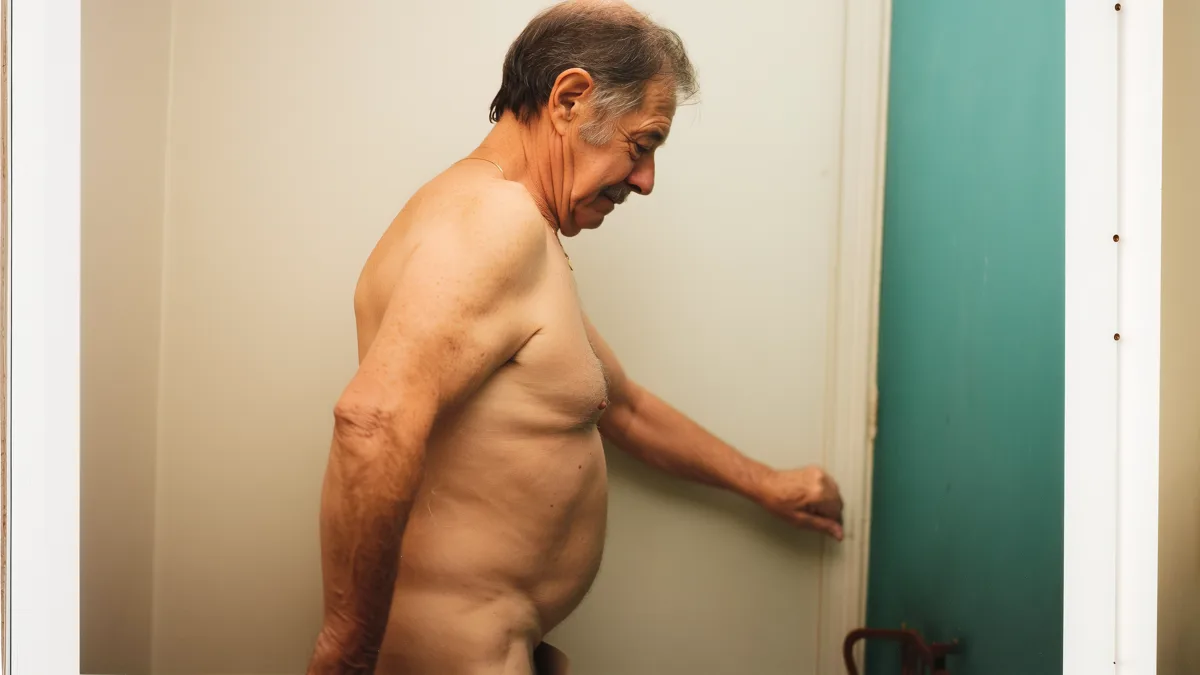
A growing number of patients are seeing substantial weight loss with prescription GLP-1 medications that help regulate appetite and support sustainable fat loss. The metabolic upside is well documented, but the aesthetic side of major body composition change matters too if you want to feel good about the results, not just measure them on a scale.
Copper peptides work through a completely different mechanism than weight loss medications, targeting skin's structural components rather than metabolic pathways, which is what makes them a sensible complement to a core weight loss plan. You end up addressing the metabolic outcome you want alongside the skin changes that outcome can bring. These treatments live within the broader category of longevity and peptide-focused care, alongside options aimed at recovery, cellular health, and aging well.
It may be worth raising peptide therapy with your provider if you:
- Have lost or are losing 30 pounds or more
- Notice visible skin laxity in more than one area
- Want to support skin health proactively while you're still losing weight
- Would rather try non-surgical options before considering procedures like body contouring surgery
- Want a comprehensive plan that addresses more than one side of body change
| Approach | How it works | Downtime | Typical timeline |
|---|---|---|---|
| Copper peptides for loose skin | Supports collagen and elastin production at the cellular level | None | Weeks to several months |
| Topical retinoids | Increases cell turnover and stimulates some collagen activity | Mild irritation possible | Months |
| Body contouring surgery | Physically removes excess skin | Weeks of recovery | Immediate, once healed |
What to Expect from Copper Peptide Treatment
Realistic expectations matter with any loose-skin treatment. Copper peptides don't erase excess skin overnight; they work by supporting gradual, natural biological processes, and studies suggest noticeable improvement usually develops over weeks to months rather than days.
Most protocols call for consistent daily application to the affected areas, with concentration, delivery method, and formulation set by your provider's recommendation. On the safety side, copper peptides for loose skin have generally shown good tolerability in clinical research, with mild, temporary skin irritation being the most commonly reported issue. Longer studies, spanning roughly 18 months, haven't turned up evidence of toxicity or harmful structural changes in treated tissue, and because application is localized, effects tend to stay in the area you're treating.
Results differ depending on how much laxity you're dealing with, your age, skin quality, overall health, and how consistently you stick with treatment. Some people notice texture changes within a few weeks, while more substantial elasticity and thickness changes usually take several months to show up. Pairing copper peptide use with solid hydration, adequate protein intake, sun protection, and strength training tends to support better overall outcomes.
Beyond Peptides: A Comprehensive Approach to Skin Health
Copper peptides show real promise for supporting skin recovery after weight loss, but they work best as one piece of a bigger picture. Skin health reflects overall health, including nutrition, hydration, sleep, stress, and daily habits.
Nutrition carries a lot of weight here. Enough protein gives your body the amino acid building blocks it needs to make new collagen. Vitamin C is a required cofactor for collagen synthesis, zinc and other trace minerals support skin structure, and healthy fats help maintain the skin barrier. If you're actively losing weight, working with your provider to hit your nutritional needs despite lower calorie intake supports both your weight loss goal and your skin.
Hydration affects skin turgor and the biological processes involved in tissue remodeling, which matters even more if you're on a medication that affects appetite or fluid balance. Building lean muscle through resistance training can also help fill in areas where fat loss left extra space, creating a firmer look under the skin even before elasticity fully catches up. Daily sun protection matters too, since UV exposure breaks down collagen and elastin and directly undermines the rebuilding you're trying to encourage.
Taking the Next Step
Dealing with loose skin after weight loss can feel discouraging, especially after everything you did to get healthier. You deserve to feel good in your body, and while no treatment can promise a specific result, understanding your options puts the decision back in your hands.
Copper peptides for loose skin represent a non-surgical, evidence-informed way to support your skin's own recovery process. They're compounded treatments, not FDA-approved, prepared by licensed pharmacies for individual patients only after a licensed provider evaluates whether they make sense for you.
If you want to explore whether copper peptide therapy fits your situation, we recommend Biotech Lifestyle, where a licensed provider handles the evaluation online, pricing is shown up front before you commit, and any prescribed compounded medication is prepared by a licensed pharmacy for you specifically. No referral is required, the online health profile is free to start, and HSA or FSA cards are accepted for payment, so getting a straight answer about your options doesn't have to be complicated.